Trend watch: textured vegan leather for SS 2027
Trend watch: textured vegan leather for SS 2027
Every season the buying teams we work with ask the same question a little earlier: what material should we spec for the next collection? For Spring/Summer 2027 the answer is getting clear, and it is not the flat matte PU of recent years. The direction is textured vegan leather — grains with depth, tactility, and a convincing hand-feel that finally closes the gap with corrected-grain calfskin.
What "textured" actually means
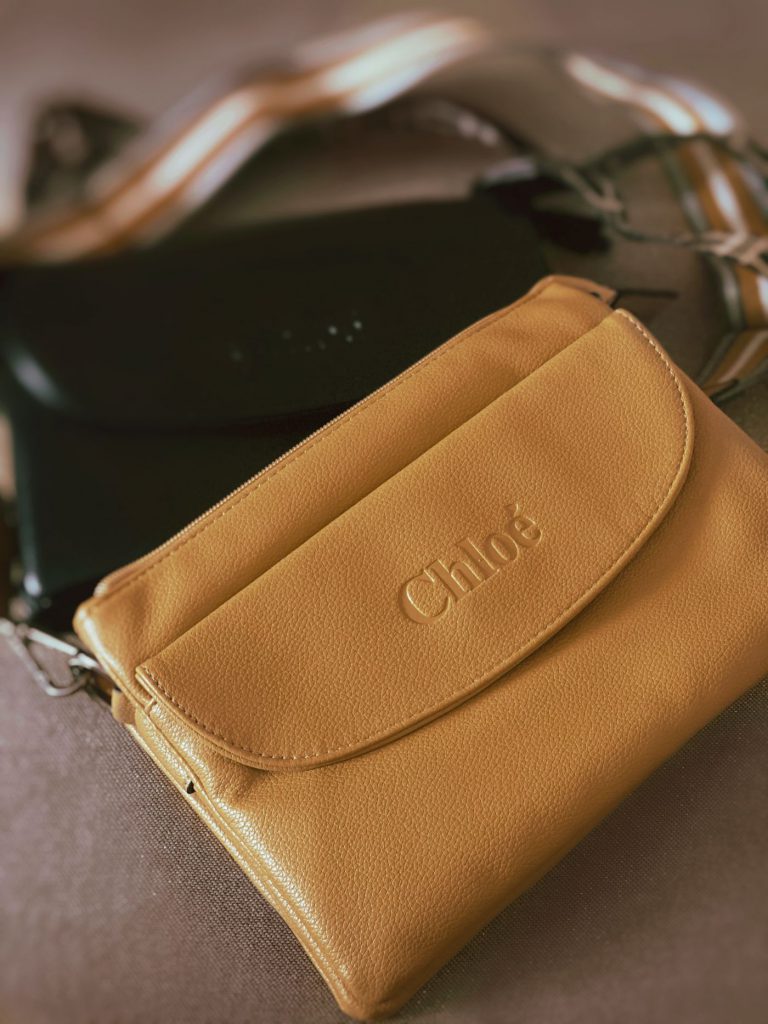
We are seeing three finishes pull ahead. First, a fine saffiano-style crosshatch that reads premium on structured totes. Second, a soft nappa-embossed surface for slouchy shoulder bags where drape matters more than rigidity. Third, a coarse pebbled grain used on crossbody and travel pieces that need to hide daily scuffs. The common thread is surface interest you can feel, not just see.
Why buyers are moving now
Two forces are converging. Regulation in the EU and parts of North America is pushing brands to document material origin and chemical use, and modern vegan substrates ship with cleaner REACH and ZDHC aligned datasheets. At the same time, end consumers have stopped apologizing for vegan — they expect it to look expensive. Textured finishes deliver both, which is why we expect them to dominate mid- to high-tier private-label programs next year.
How YANMA builds with it
Our material library already carries six textured vegan substrates rated for bag construction, from 0.8 mm wallet linings to 1.6 mm panel leather for stiffened totes. We bond them to a spun or woven backing chosen for the target shape, then validate abrasion, peel, and cold-crack performance before they reach a customer's line. A finish that looks right on a swatch but fails 20,000 rubs is not a finish we will ship.
Specifying for the season
If you are planning SS 2027, we suggest choosing the grain by product role rather than by trend alone. Structured totes earn the saffiano; soft shoulders want the nappa emboss; crossbody and travel take the pebble. Match the backing weight to the frame, and keep hardware in a brushed or satin finish so it does not fight the matte surface. Get those three decisions right and the bag reads considered rather than cautious.
Colour and edge treatment
Texture changes how colour behaves. A pebbled grain breaks up light and makes deep tones read richer, while a saffiano surface sharpens a bright colour and keeps it from looking plasticky. We pair each grain with an edge-paint system tuned to its porosity, so the cut edge stays sealed and the colour stays true after a season of use. This is the quiet detail that separates a sample from a sellable product.
A practical next step
The fastest way to judge these materials is to hold them. We can send a curated swatch card covering all three finishes with backing options, or build a single prototype in the grain you are leaning toward. Either way you will be choosing from physical evidence, not a screen. That is how the best SS 2027 lines are getting locked in this quarter.
MOQ and lead time for material trials
Brands worried that a new material means a new minimum will be glad to hear our textured vegan program runs on the same flexible MOQ as the rest of the catalogue. We can open a material trial at low volume, prove the build on a small run, and scale once the line sells. That removes the usual barrier between "we like the trend" and "we actually shipped it", which is exactly where most seasonal bets are won or lost.
Textured vegan leather is no longer the compromise option. Specified well, it is the confident one — and for brands watching both margin and message, that is exactly the point.